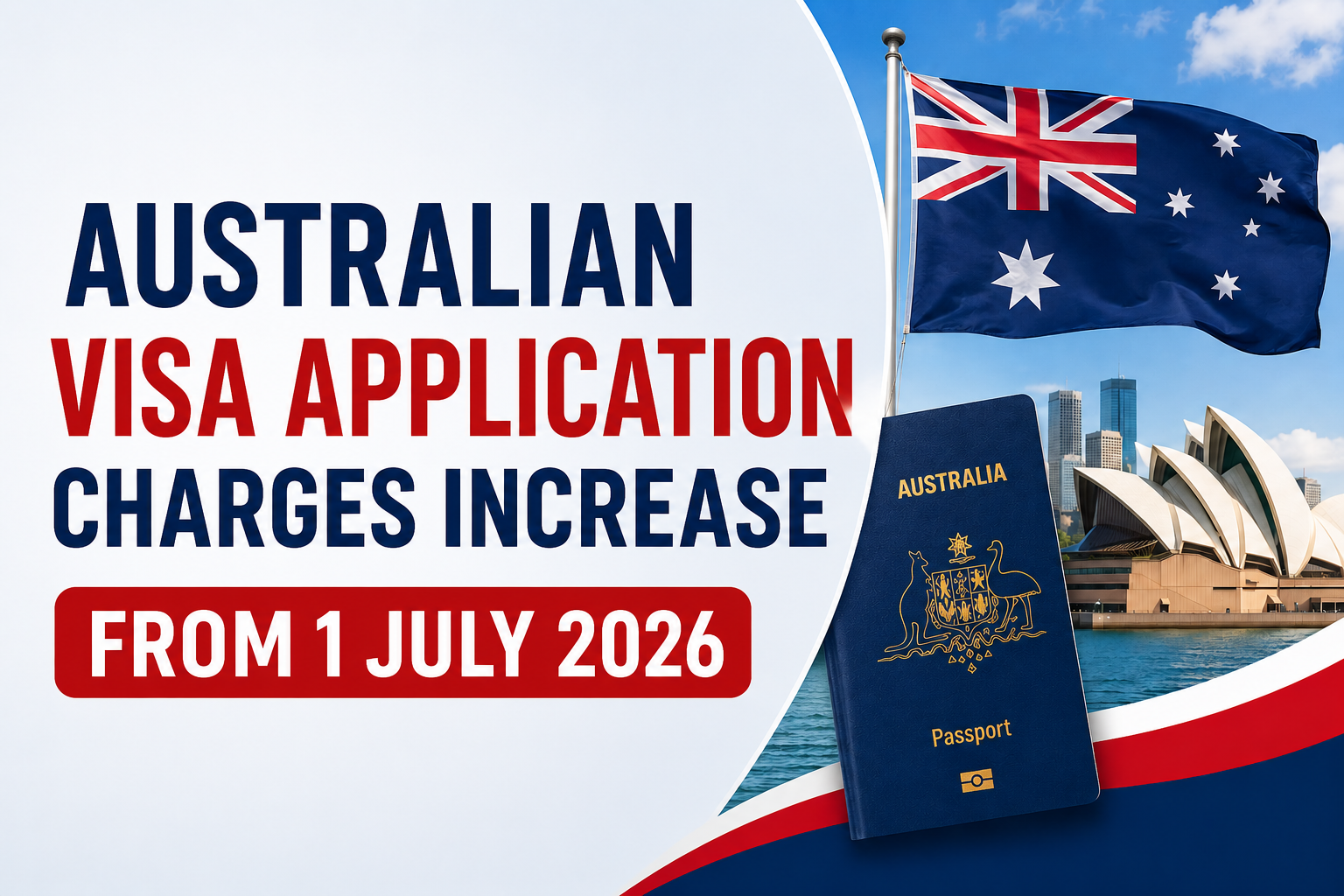
IMPORTANT NOTICE

Australia offers a world-class lifestyle, vibrant cities, and incredible opportunities, making permanent residency (PR) a highly sought-after goal for people worldwide. The journey, however, can feel like navigating a complex maze of visas, points systems, and eligibility criteria. Understanding the various pathways is the first critical step toward turning your Australian dream into a reality. This comprehensive guide outlines the top 10 ways to get permanent residency in Australia, breaking down each option into clear, actionable steps.
We will explore everything from the popular Skilled Independent visa for highly qualified professionals to employer-sponsored routes, business investment programs, and family-based visas. Each pathway is unique, designed to cater to different skills, professional backgrounds, family circumstances, and long-term goals. Whether you are a recent graduate, an experienced tradesperson, an entrepreneur, or joining a family member, there is likely a visa stream suited to your situation.
By the end of this article, you will have a clear map of your potential routes to PR, complete with eligibility checkpoints, required documents, and typical pitfalls to avoid. Our goal is to demystify the process, empowering you with the knowledge to make an informed and strategic decision for your future down under. This detailed roundup will serve as your foundational resource for identifying the most viable and efficient path to calling Australia your permanent home.
Disclaimer: The information provided in this article is for general guidance only and may not be current at the time of reading. Australian migration law and visa requirements change frequently. It is essential to book an appointment with a registered migration agent, like the experts at My Visa Guide, for the most up-to-date and personalised advice. For official information on government application charges and fees, please always refer to the Department of Home Affairs website at https://www.homeaffairs.gov.au/.
1. Skilled Independent Visa (Subclass 189)
The Skilled Independent visa (subclass 189) is a premier points-tested pathway for skilled workers who are not sponsored by an employer, family member, or state/territory government. This visa is one of the most direct ways to get permanent residency in Australia, offering complete freedom to live and work anywhere in the country upon grant. It is designed for highly skilled professionals whose occupations are in high demand and listed on the relevant skilled occupation list.

To be eligible, you must submit an Expression of Interest (EOI) through SkillSelect and receive an invitation to apply. Invitations are issued to candidates with the highest points scores, which are calculated based on factors like age, English language proficiency, skilled employment experience, and educational qualifications.
Who It Suits Best
This visa is ideal for independent, highly qualified professionals with significant experience in an in-demand occupation. For example, a software engineer from India with superior English skills and over five years of experience, or an accountant from the UK with a positive skills assessment, would be strong candidates. The key is achieving a competitive points score (often well above the minimum 65 points) to secure an invitation.
Key Steps and Actionable Tips
- Secure a Positive Skills Assessment: This is a mandatory first step. Start early, as bodies like Engineers Australia or the Australian Computer Society (ACS) have specific and lengthy requirements.
- Maximise Your Points: Aim for a "Superior" English score (e.g., 8+ in each IELTS band) to gain the maximum 20 points. Gaining relevant Australian work experience can also significantly boost your score.
- Submit a Strong EOI: Ensure your Expression of Interest is accurate and claims all eligible points. An invitation round may be your only chance, so precision is crucial.
The subclass 189 visa offers unparalleled autonomy once granted, but its competitive nature requires meticulous preparation. For a detailed breakdown of the points system and application process, you can find more information about the Skilled Independent visa (subclass 189) here.
Disclaimer: The information provided in this article is for general guidance only and may not be current at the time of reading. Australian migration law and visa requirements change frequently. It is essential to book an appointment with a registered migration agent for the most up-to-date and personalised advice. For official information on government application charges and fees, please always refer to the Department of Home Affairs website at https://www.homeaffairs.gov.au/.
2. Skilled Employer Sponsored Visa (Subclass 186)
The Employer Nomination Scheme visa (subclass 186) is a permanent residency pathway for skilled workers nominated by an Australian employer. It allows businesses to fill critical skill shortages by sponsoring overseas talent when they cannot find a suitable Australian worker. This visa is a cornerstone of the skilled migration program, offering a structured and secure route to settlement with the backing of an approved Australian business.
There are three main streams: the Direct Entry stream for those who have not worked for the employer on a temporary visa, the Temporary Residence Transition (TRT) stream for subclass 482 or 457 visa holders who have worked for their employer for a set period, and the Labour Agreement stream for employers with a specific labour agreement. Each stream provides a direct line to permanent residency, contingent on the employment relationship.
Who It Suits Best
This visa is perfectly suited for skilled professionals who have secured a job offer from an Australian employer willing to sponsor them. For instance, a registered nurse from the Philippines with a job offer from an Australian hospital, or a software developer from the USA recruited by a Sydney-based tech company, would be ideal candidates. It's also an excellent option for long-term temporary skilled workers already in Australia, such as a marketing specialist on a TSS 482 visa looking to transition to permanent residency with their current employer.
Key Steps and Actionable Tips
- Ensure Employer Eligibility: Before anything else, confirm your employer is an approved sponsor with a strong compliance history and the financial capacity to support your nomination. This is a common point of failure.
- Thorough Labour Market Testing (LMT): For the Direct Entry stream, your employer must prove they have adequately tested the local labour market. Work with them to ensure this is done correctly to avoid application delays or refusal.
- Secure a Clear Job Offer: A formal employment agreement or written job offer is essential. It must clearly outline your role, responsibilities, and salary, which must meet market rates.
The subclass 186 visa provides stability but ties you to your employer initially. It's one of the most reliable ways to get permanent residency in Australia when you have a sponsor's support. You can find more details about the Employer Sponsored Visa (subclass 186) here.
Disclaimer: The information provided in this article is for general guidance only and may not be current at the time of reading. Australian migration law and visa requirements change frequently. It is essential to book an appointment with a registered migration agent for the most up-to-date and personalised advice. For official information on government application charges and fees, please always refer to the Department of Home Affairs website at https://www.homeaffairs.gov.au/.
3. Skilled Nominated Visa (Subclass 190)
The Skilled Nominated visa (subclass 190) is another popular points-tested pathway for skilled workers, but with a key difference: it requires a nomination from an Australian state or territory government. This visa is designed for professionals whose skills are needed in a specific state, granting them an additional five points towards their total score and a direct invitation to apply for permanent residency. Unlike the 189 visa, this pathway ties you to living and working in the nominating state for an initial period, typically two years.
This visa offers a significant advantage for applicants who might be just short of the competitive points threshold for the 189 visa. By securing state nomination, you not only boost your points but also receive prioritised processing for one of the most sought-after ways to get permanent residency in Australia.
Who It Suits Best
This visa is perfect for skilled professionals whose occupations are in demand within a particular Australian state or territory, even if they aren't on the broader national list for the 189 visa. For instance, an accountant might find it difficult to get a 189 invitation due to high competition but could be readily nominated by South Australia to fill a specific labour market need. Similarly, nurses and engineers often find strong sponsorship opportunities in states like Tasmania, Western Australia, or Queensland, which are actively seeking to attract these skills.
Key Steps and Actionable Tips
- Research State Occupation Lists: Each state and territory has its own list of in-demand occupations and specific nomination criteria. Thoroughly research these lists on their respective government migration websites before lodging your Expression of Interest (EOI).
- Meet State-Specific Requirements: Some states have additional requirements, such as proof of funds, local job offers, or specialised experience. For example, some may prioritise applicants already living and working in that state on a temporary visa.
- Lodge a Targeted EOI: In your SkillSelect EOI, you can indicate your interest in being nominated by a single state or multiple states. Tailor your application to show your genuine intent to reside and contribute to the nominating state’s economy.
The subclass 190 visa is a strategic pathway that can significantly increase your chances of securing permanent residency. For a closer look at each state's requirements and how to apply, you can learn more about the Skilled Nominated visa (subclass 190) here.
Disclaimer: The information provided in this article is for general guidance only and may not be current at the time of reading. Australian migration law and visa requirements change frequently. It is essential to book an appointment with a registered migration agent for the most up-to-date and personalised advice. For official information on government application charges and fees, please always refer to the Department of Home Affairs website at https://www.homeaffairs.gov.au/.
4. Skilled Work Regional Visa (Subclass 491)
The Skilled Work Regional (Provisional) visa (subclass 491) is a points-tested visa designed to help regional Australia attract skilled migrants. It provides a five-year temporary visa, during which holders must live, work, and study in a designated regional area. Crucially, this visa offers a clear and direct pathway to permanent residency after meeting specific requirements, making it one of the popular ways to get permanent residency in Australia for those willing to settle outside major cities.
To be eligible, applicants must be nominated by an Australian state or territory government agency or sponsored by an eligible family member residing in a designated regional area. Like other skilled visas, you must submit an Expression of Interest (EOI) through SkillSelect and achieve a minimum of 65 points to be considered for an invitation. The key benefit is that receiving a state nomination or family sponsorship grants an additional 15 points, significantly boosting your chances.
Who It Suits Best
This visa is ideal for skilled professionals whose occupations are in demand in regional Australia but may not have enough points to qualify for the subclass 189 visa. For instance, a skilled tradesperson like a carpenter or a chef from the Philippines could secure a state nomination from South Australia. Similarly, a recent international graduate in accounting who studied in a regional university might find this pathway more accessible than competing for a spot in a major city.
Key Steps and Actionable Tips
- Research Regional Demand: Before committing, investigate which states or territories have a high demand for your specific occupation. Each region has its own occupation list and nomination criteria.
- Meet Residency and Work Requirements: Plan for your three-year commitment. To apply for permanent residency via the subclass 191 visa, you must have lived and worked in a designated regional area for at least three years and met a minimum taxable income threshold for those years.
- Maintain Meticulous Records: Keep detailed records of your employment, payslips, tax returns, and proof of residence (e.g., utility bills, lease agreements) from the moment your 491 visa is granted. These will be essential for your future permanent residency application.
The subclass 491 is an excellent strategic choice, offering a structured route to permanent residency while contributing to Australia's regional growth. To explore regional occupation lists and nomination requirements, you can learn more about the Skilled Work Regional visa (subclass 491) here.
Disclaimer: The information provided in this article is for general guidance only and may not be current at the time of reading. Australian migration law and visa requirements change frequently. It is essential to book an appointment with a registered migration agent for the most up-to-date and personalised advice. For official information on government application charges and fees, please always refer to the Department of Home Affairs website at https://www.homeaffairs.gov.au/.
5. Business Innovation and Investment Visa (Subclass 188/191)
The Business Innovation and Investment Program is a key pathway for successful business owners, investors, and entrepreneurs seeking permanent residency in Australia. This program begins with a provisional visa (subclass 188) and transitions to a permanent visa (subclass 191) after meeting specific business or investment requirements in Australia. It offers multiple streams, including Business Innovation, Investor, and Significant Investor, catering to individuals with substantial capital and proven business acumen. This visa is designed to attract talent that can contribute to the Australian economy through enterprise and investment.

Applicants must be nominated by a state or territory government and meet points-tested criteria for most streams. The provisional visa allows you to operate your business or manage your investments in Australia for a set period, after which you can apply for permanent residency. This pathway provides a structured route to PR for those with a strong business background.
Who It Suits Best
This visa is ideal for high-net-worth individuals, experienced entrepreneurs, and seasoned investors. For instance, a Chinese entrepreneur wanting to establish a tech start-up in Sydney could use the Business Innovation stream. Similarly, an investor from India could purchase an existing hospitality business and qualify through the Investor stream. It also suits senior managers from multinational companies who can secure sponsorship for specific high-value investment streams.
Key Steps and Actionable Tips
- Engage Professionals Early: Involve a registered migration agent and a business accountant from the beginning. Their expertise is crucial for navigating complex financial requirements and visa criteria.
- Prepare a Detailed Business Plan: Your business plan must be comprehensive, with realistic financial projections and a clear strategy. This is a critical document for state nomination.
- Document Your Financials: Ensure the source of your funds is legitimate and meticulously documented. You will need to provide extensive evidence of your business and personal assets.
- Research State Nomination Criteria: Each state and territory has different requirements and priorities. Identify a state that strongly supports your business sector to increase your chances of nomination.
The subclass 188/191 pathway is a significant undertaking, but it offers a direct route to permanent residency for those with the right business profile. For in-depth information on each stream and the nomination process, you can explore the Business Innovation and Investment Visa program here.
Disclaimer: The information provided in this article is for general guidance only and may not be current at the time of reading. Australian migration law and visa requirements change frequently. It is essential to book an appointment with a registered migration agent for the most up-to-date and personalised advice. For official information on government application charges and fees, please always refer to the Department of Home Affairs website at https://www.homeaffairs.gov.au/.
6. Partner Visa (Subclass 801/806/820/309)
The Partner visa pathway is one of the most common ways to get permanent residency in Australia, allowing Australian citizens, permanent residents, or eligible New Zealand citizens to sponsor their partner. This visa caters to married couples, de facto partners (including same-sex couples), and prospective spouses. The process typically involves a two-stage application, starting with a temporary visa (subclass 820 for onshore applicants, or 309 for offshore) and progressing to a permanent visa (subclass 801 or 100) after approximately two years, provided the relationship remains genuine and continuing.

This pathway recognises that a genuine relationship is a valid basis for migration. The core of the application is proving the authenticity and ongoing nature of your relationship across four key aspects: financial, social, household, and the nature of your commitment to each other. Success hinges on providing extensive and consistent evidence to the Department of Home Affairs.
Who It Suits Best
This visa is ideal for individuals in a committed relationship with an Australian citizen or permanent resident. For example, an international student from Brazil who has been in a de facto relationship with her Australian boyfriend for over a year and lives with him, or a married couple from the UK where one partner is an Australian permanent resident. It also suits same-sex couples who can demonstrate a genuine de facto relationship or are legally married.
Key Steps and Actionable Tips
- Compile Comprehensive Evidence: Start gathering evidence from the very beginning of your relationship. This includes joint bank account statements, shared bills, photos together over time, travel itineraries, and statutory declarations from friends and family.
- Create a Relationship Timeline: Document key milestones like when you met, moved in together, and major life events. This narrative helps the case officer understand your journey as a couple.
- Apply from the Correct Location: If you are in Australia on a valid visa (like a student or visitor visa), you should apply for the onshore visa (subclass 820/801). If you are overseas, you must apply for the offshore visa (subclass 309/100).
The Partner visa provides a direct route to permanent residency based on your relationship, but the evidence requirements are stringent. To understand the specific evidence needed for your situation, you can find more information about the Partner visa here.
Disclaimer: The information provided in this article is for general guidance only and may not be current at the time of reading. Australian migration law and visa requirements change frequently. It is essential to book an appointment with a registered migration agent for the most up-to-date and personalised advice. For official information on government application charges and fees, please always refer to the Department of Home Affairs website at https://www.homeaffairs.gov.au/.
7. Parent Visa (Subclass 103/143)
The Parent visa program is a vital pathway for family reunification, allowing Australian citizens, permanent residents, or eligible New Zealand citizens to sponsor their parents to live in Australia permanently. This program offers two main streams: the non-contributory Parent visa (subclass 103) and the Contributory Parent visa (subclass 143). The primary difference lies in cost and processing time; the subclass 143 requires a significantly higher financial contribution but offers much faster processing.
This visa acknowledges the importance of family connections and is one of the key family-stream ways to get permanent residency in Australia. To be eligible, the parent applicant must pass the "balance of family" test, meaning at least half of their children must live permanently in Australia, or more of their children live permanently in Australia than in any other single country. The sponsoring child must also meet specific residency and financial requirements.
Who It Suits Best
This pathway is designed for settled Australian residents or citizens who wish to bring their parents to Australia to live with them permanently. For instance, a skilled migrant who has established a life in Australia and wants their ageing parents to join them for care and family support would be a typical applicant. It also suits families who can afford the substantial contribution for the subclass 143 to avoid the extremely long waiting times associated with the non-contributory subclass 103.
Key Steps and Actionable Tips
- Assess Financial Capacity: Before starting, the sponsoring child must understand the financial obligations, especially the Assurance of Support (AoS), which is a legal commitment to support the parents financially for a set period.
- Choose the Right Stream: The subclass 103 has very low application fees but processing can take decades. If time is a critical factor, the Contributory (subclass 143) route is the only viable option, despite its high cost.
- Prepare Health and Character Documents: Parents must meet Australia's health and character requirements. Start gathering comprehensive medical histories and police clearances from all countries of residence early in the process.
The Parent visa is an excellent option for family reunion, but the choice between streams has significant long-term implications. For a clear understanding of the "balance of family test" and financial requirements, you can learn more about the Parent visa (subclass 103/143) here.
Disclaimer: The information provided in this article is for general guidance only and may not be current at the time of reading. Australian migration law and visa requirements change frequently. It is essential to book an appointment with a registered migration agent for the most up-to-date and personalised advice. For official information on government application charges and fees, please always refer to the Department of Home Affairs website at https://www.homeaffairs.gov.au/.
8. Child Visa (Subclass 101/802)
The Child visa stream offers a direct path to permanent residency for children whose parents are Australian citizens, permanent residents, or eligible New Zealand citizens. This pathway is designed to ensure family unity and has two main subclasses: the Child visa (subclass 101) for children applying from outside Australia and the Child visa (subclass 802) for those applying from within Australia. It covers biological children, adopted children, and stepchildren under specific circumstances.
This visa is not points-tested; instead, its success hinges on proving the parent-child relationship and the sponsor's eligibility. The sponsored child must be dependent on their parent, and health and character requirements must be met. This visa is a fundamental part of Australia’s family migration program, reflecting the country's commitment to keeping families together.
Who It Suits Best
This visa is essential for parents who have secured their own permanent residency and now wish to bring their children to live with them permanently in Australia. For instance, a skilled migrant who recently gained PR through a subclass 190 visa can sponsor their child who remained in their home country. It also suits Australian citizens who have adopted a child overseas and want to bring them home as a permanent resident.
Key Steps and Actionable Tips
- Choose the Correct Subclass: If the child is already in Australia on a temporary visa (like a visitor visa), the onshore subclass 802 is generally the correct pathway. If they are overseas, you must apply for the subclass 101.
- Establish Proof of Relationship: Gather extensive evidence such as birth certificates, adoption papers, or court orders. For stepchildren, documents proving the relationship between the sponsoring step-parent and the child's biological parent are crucial.
- Demonstrate Dependency: You must prove the child is financially dependent on the sponsoring parent. This is especially important for children aged 18 to 24, who must be full-time students and not engaged to be married.
The Child visa is one of the most important family-based ways to get permanent residency in Australia, but it requires meticulous documentation. To understand the specific requirements for your situation, you can learn more about the Child visa options here.
Disclaimer: The information provided in this article is for general guidance only and may not be current at the time of reading. Australian migration law and visa requirements change frequently. It is essential to book an appointment with a registered migration agent for the most up-to-date and personalised advice. For official information on government application charges and fees, please always refer to the Department of Home Affairs website at https://www.homeaffairs.gov.au/.
9. Skilled Graduate Visa (Subclass 476/485)
While not a direct permanent residency visa, the Skilled Graduate visa pathway is a crucial stepping stone for many international students aiming to settle in Australia. It comprises two main temporary visas: the Subclass 476 for recent engineering graduates from specified institutions and the Subclass 485 for eligible international students who have completed Australian qualifications. These visas grant full work rights for a period of 18 months to several years, depending on the stream.
This period is invaluable, as it provides graduates with the opportunity to gain skilled Australian work experience, improve their English language skills, and accumulate points towards a permanent skilled visa application. It effectively bridges the gap between completing studies and meeting the requirements for permanent residency, making it one of the most popular ways to get permanent residency in Australia for former students.
Who It Suits Best
This pathway is designed for recent graduates. The Subclass 476 is perfect for an engineering graduate from a recognised overseas university who wants to gain work experience in Australia before applying for a skilled visa. The Subclass 485 suits a wide range of graduates, such as an IT graduate from an Australian university who needs two years of local experience to become a competitive candidate for the Skilled Independent (subclass 189) visa, or a nursing graduate who can use this time to meet registration requirements.
Key Steps and Actionable Tips
- Apply Promptly: You must apply for the 485 visa within six months of completing your Australian studies. Plan ahead to ensure you have your English test results and other documents ready.
- Plan Your PR Strategy Early: While you are still studying, identify the skill assessment requirements for your nominated occupation. This allows you to choose your employment on the 476/485 visa strategically to build relevant work experience.
- Enhance Your Career Prospects: Use this time to upskill. Recent engineering graduates often seek professional development, and participating in a specialised program, such as an AI Residency Program, can significantly enhance your career prospects and PR eligibility.
- Maintain Meticulous Records: Keep detailed documentation of your work experience, including payslips, contracts, and reference letters, as these will be critical for your future permanent residency application.
This visa is an essential tool for leveraging an Australian education into a long-term career and life in the country. To explore how this temporary visa can lead to permanent residency, discover more about post-study pathways in Australia.
Disclaimer: The information provided in this article is for general guidance only and may not be current at the time of reading. Australian migration law and visa requirements change frequently. It is essential to book an appointment with a registered migration agent for the most up-to-date and personalised advice. For official information on government application charges and fees, please always refer to the Department of Home Affairs website at https://www.homeaffairs.gov.au/.
10. Distinguished Talent Visa (Subclass 858)
The Distinguished Talent visa (subclass 858) is a unique permanent residency pathway for individuals who have an internationally recognised record of exceptional and outstanding achievement. This visa is not points-tested; instead, it focuses on attracting world-class talent in a profession, sport, the arts, academia, or research. It is designed for those at the absolute peak of their field who can demonstrate they would be an asset to the Australian community.
To be eligible, you must be nominated by a peak Australian body, an Australian citizen, a permanent resident, or an eligible New Zealand citizen with a national reputation in your field. The core requirement is proving your contribution is of benefit to Australia, either economically, socially, culturally, or by raising Australia's academic, artistic, or sporting standing internationally. This is one of the more exclusive ways to get permanent residency in Australia.
Who It Suits Best
This visa is ideal for globally recognised individuals. For instance, a world-renowned scientist with a history of ground-breaking publications could secure this visa to join an Australian university's research team. Similarly, an internationally acclaimed musician who has won prestigious awards or a professional athlete who has competed at the highest international level and is recognised as a leader in their sport would be prime candidates.
Key Steps and Actionable Tips
- Secure a Strong Nomination: Your nominator must have a national reputation in your field and be able to attest to your exceptional achievements. This endorsement is critical.
- Compile Extensive Evidence: Gather comprehensive proof of your international standing. This includes major awards, publications in respected journals, media articles about your achievements, and letters of support from prominent international figures.
- Demonstrate Your Benefit to Australia: Clearly articulate how your presence will enrich the country. A detailed statement outlining your future plans and contributions, supported by a job offer from a prestigious Australian organisation, will significantly strengthen your case.
The subclass 858 visa is for a very select group of high-achievers, but it offers a direct path to permanent residency for those who qualify. For a deeper understanding of the stringent evidence requirements, you can learn more about the Distinguished Talent visa (subclass 858) here.
Disclaimer: The information provided in this article is for general guidance only and may not be current at the time of reading. Australian migration law and visa requirements change frequently. It is essential to book an appointment with a registered migration agent for the most up-to-date and personalised advice. For official information on government application charges and fees, please always refer to the Department of Home Affairs website at https://www.homeaffairs.gov.au/.
Comparison of 10 Australian Permanent Residency Pathways
| Visa / Pathway | 🔄 Implementation complexity | ⚡ Resource requirements | ⭐ Expected outcomes | 📊 Ideal use cases | 💡 Key advantages / tips |
|---|---|---|---|---|---|
| Skilled Independent Visa (Subclass 189) | Points-tested process; skills assessment & English evidence required | Strong documentation, high English (IELTS 7++), skills assessment, application fees | Permanent residency; pathway to citizenship (≈4 years) | Skilled professionals with in-demand occupations who want independence | Employer-independent PR; faster processing (8–12m); maximize points early (occupational assessment, English) |
| Skilled Employer Sponsored Visa (Subclass 186) | Employer nomination & labour market testing; employer compliance obligations | Employer approval, nomination paperwork, employment contract; no points test for applicant | Direct permanent residency on approval | Skilled workers with an Australian employer willing to sponsor (Direct/TSS transition) | No points test; employer support reduces applicant burden; ensure employer compliance and strong job offer |
| Skilled Regional Sponsored Visa (Subclass 190) | State/territory nomination plus points test (min 60 incl. 5 bonus) | State nomination application, skills assessment, commitment to live in state (2 years) | Permanent residency; pathway to citizenship | Applicants targeting regional/state demand or mid-career professionals | Lower points threshold than 189; 5-point bonus for sponsorship; apply to multiple states |
| Skilled Work Regional Visa (Subclass 491) | Points-tested with state nomination; temporary with conditions (5 years) | Proof of regional employment, maintain income threshold (AUD $53,900), documentation over 3 years | Temporary visa with clear path to PR (via 191 after 3 years) | Applicants willing to live/work regionally as a stepping stone to PR | 5-year stay and pathway to 191 PR; plan 3‑year income/employment commitment carefully |
| Business Innovation & Investment (Subclass 188 → 191) | Complex business/investment criteria; state sponsorship and ongoing monitoring | Significant capital (from ~AUD $200k to $5m+), business plan, accountants, migration/legal advisers | Provisional (188) then possible PR (191); business establishment & residency | Entrepreneurs, investors, senior managers with funds and business track record | Multiple streams for different profiles; no points test; engage MARA agent and accountant early |
| Partner Visa (Subclass 820/801/309/106) | Relationship evidence gathering; provisional 2‑year assessment period | Extensive documentary evidence, sponsor required, character & health checks | Provisional then permanent residency; work rights and Medicare access early | Married/de facto partners (including same-sex) sponsored by Australian citizen/PR | No skills required; family reunification pathway; prepare thorough relationship evidence from day one |
| Parent Visa (Subclass 103/143) | Administrative complexity varies; very long waits for non‑contributory stream | Sponsor (child) financial capacity, Assurance of Support, high fees for contributory option | Permanent residency for parents; access to Medicare and services | Australian citizens/PRs sponsoring aging parents | Contributory (faster, costly) vs non‑contributory (very long backlog); assess finances and AOS requirements |
| Child Visa (Subclass 101/802) | Relatively straightforward but evidence of relationship and eligibility required | Sponsor parent documentation, proof of dependency/adoption, health/character checks | Permanent residency for child; access to education and Medicare | Parents sponsoring dependent or adopted children (onshore/offshore options) | Onshore (802) usually faster; prepare custody and family evidence carefully |
| Skilled Graduate Visa (Subclass 476/485) | Moderate complexity tied to recent Australian qualification; temporary duration | Australian qualification, timely application, enrolment/graduation proof | Temporary work rights (18 months–5 years); opportunity to gain points for PR | Recent international graduates seeking Australian work experience and PR planning | Open work rights; use period to build relevant experience and English skills; quick processing |
| Distinguished Talent Visa (Subclass 858) | High evidential burden; niche assessment of international achievement | Extensive evidence of international recognition, endorsements, media & awards | Direct permanent residency for exceptional talent | World-class individuals (arts, sport, science, culture) with international recognition | Direct PR without points; very selective—compile strong endorsements and international evidence |
Choosing Your Best Pathway and Taking the Next Step
You have now journeyed through the primary ways to get permanent residency in Australia. We’ve explored the points-based precision of the Skilled Independent (Subclass 189) visa, the employer-backed security of the Subclass 186, the regional opportunities offered by the Subclass 190 and 491 visas, and the intricate pathways for business innovators, investors, and families. Each visa subclass represents more than just an application; it’s a potential life-changing route to calling Australia home.
The sheer volume of information can feel overwhelming, but the key takeaway is this: there is no single "best" path. The ideal visa for you is a deeply personal equation, factoring in your unique combination of skills, professional experience, age, English proficiency, and personal relationships. A recent IT graduate might find their strongest option is the Skilled Work Regional (Subclass 491) visa, leveraging regional nomination points. In contrast, a seasoned executive with an Australian job offer would be perfectly suited for the Employer Nomination Scheme (Subclass 186) visa.
Synthesising Your Options: A Strategic Approach
To move from information to action, it’s crucial to strategically assess your profile against the options we've covered.
- For the Independent Professional: If you have a high-demand occupation and can score well on the points test, the Skilled Independent (Subclass 189) remains the gold standard, offering ultimate freedom to live and work anywhere in Australia.
- For the Sponsored Employee: If you have secured a supportive Australian employer, the Employer Nomination Scheme (Subclass 186) provides a direct and often faster route to PR.
- For the Regionally-Minded: Don’t underestimate the power of state and territory nomination. The Skilled Nominated (Subclass 190) and Skilled Work Regional (Subclass 491) visas open doors for a wider range of occupations and can provide the crucial points boost needed to receive an invitation.
- For Families and Partners: The foundation of the family stream, particularly the Partner Visa, is the genuineness of your relationship. The focus here is less on points and more on comprehensive, consistent evidence.
From Visa Grant to New Beginnings
Achieving permanent residency is a monumental milestone, but it's also the beginning of a new chapter. Once your visa is granted, the focus shifts to the practicalities of settling in. This involves everything from setting up bank accounts and obtaining a Tax File Number (TFN) to finding a home and enrolling children in school. For those drawn to the lifestyle and opportunities in Western Australia, this comprehensive guide to moving to Perth can be an invaluable resource for navigating its suburbs and settling into your new community.
Your Actionable Next Steps
The Australian migration landscape is complex and constantly evolving. Regulations, occupation lists, and processing priorities can change with little notice. This makes professional guidance not just a convenience, but a strategic necessity. Your journey to Australian permanent residency is too important to leave to chance or outdated information.
Disclaimer: The information provided in this article is for general guidance only and may not be current at the time of reading. Australian migration law and visa requirements change frequently. It is essential to book an appointment with a registered migration agent for the most up-to-date and personalised advice. For official information on government application charges and fees, please always refer to the Department of Home Affairs website at https://www.homeaffairs.gov.au/.
Your dream of Australian residency is within reach, but the path requires careful navigation and expert strategy. My Visa Guide specialises in turning complex migration challenges into successful outcomes. Book a consultation with our MARA-certified agents today to receive a personalised roadmap and ensure your application is positioned for success.